How to create a payment form to collect a fixed amount from each respondent?
"Is it possible to collect payment with Google Forms?"- Quora
This is a common question from people who run events and classes. For example, everyone might pay the same fee, so the only thing your form needs to do is collect that amount. Google Forms cannot ask for payment, so you share your payment details separately and check later who has paid. With Neartail, you can set up your Google Form and collect a fixed amount from your users. Each user sees the amount with nothing to select and pays it when they submit the form. Even better, you pay no commission to us, only the payment company's fee on cards.
Let's start. Create your form and follow the steps below.
Setup payments
- On the page that opens, click "Enter your form name". Type your form's name, click Generate and wait about a minute.
- Check the outline it suggests and click Proceed.
- Once you create the form, you will land on the form's "Edit" tab.

- If it asks "Do you want to collect payment on form submit?", click Yes.
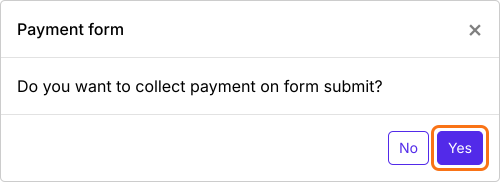
If you imported a Google Form, it makes a copy of your form and it will not ask. If it says "Your form is private or protected", click Next and give access or publish your form in Google Forms and paste that link. Select your currency and click Continue. When it says "Your order form is ready", click Preview your form, then Edit form. Scroll down to Payments disabled at the end of the form and click Enable. Click Enable again in the panel that opens. Your total may be called Amount Due instead of Order Amount.

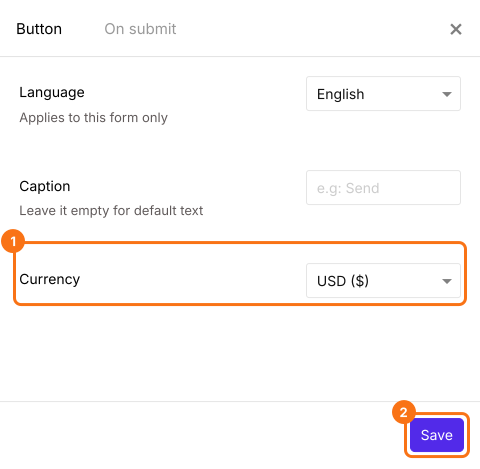
PayPal is not listed in every currency. If you do not see it under Manual payments, close the Payments settings page and click on the gear icon in the After payment row, the last row above the Submit button. Select your currency in Currency and click Save. The form will reload. If it asks "Do you want to collect payment on form submit?" again, click Yes. Otherwise click Edit in the Payments row. Change the currency before you turn on a payment option, because an option you turned on stays on in the new currency.
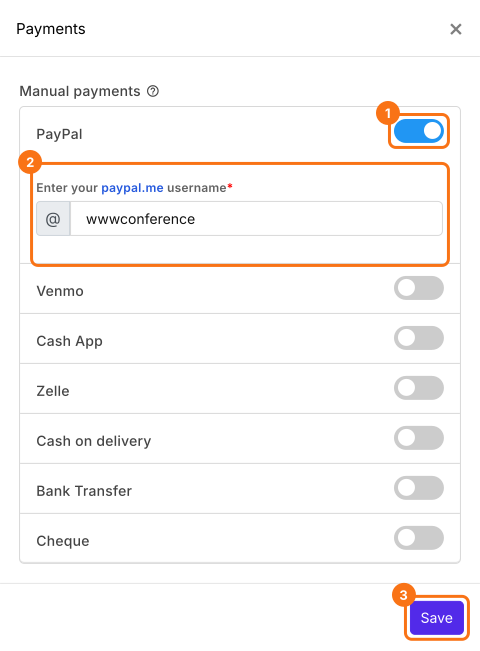
- Payments settings page will be displayed. Click on the toggle button next to PayPal under Manual payments, enter your paypal.me username and click Save.
Configure payment amount
You can setup your form to collect a fixed amount, dynamically calculate the amount based on the answer or add custom formula to calculate the amount. In this example, we will setup the form to charge a fixed amount.
- If the form has products you do not need, click on the product and click on the delete icon at the bottom of its card. If you keep a product with no title or a price of 0, change it in the card.
- Click on Add product in the toolbar on the right, enter the title and select Flat fee.
- Enter the amount that you would like to collect in Price (Fixed Fee).

- Click on "Preview" tab

This product is hidden from the form and it is already in every order, so Order Amount will display this amount with nothing to select. Each user will pay it when they submit the form. To check each payment, read How to see who has paid in Google Forms?
Summary
If everyone pays the same fee, a Google Form still cannot ask for payment. With Neartail, you enter the fixed amount in your form and each user pays that amount when they submit the form. Create your form and complete the steps above. If you have any questions, write to support.
Last updated: